
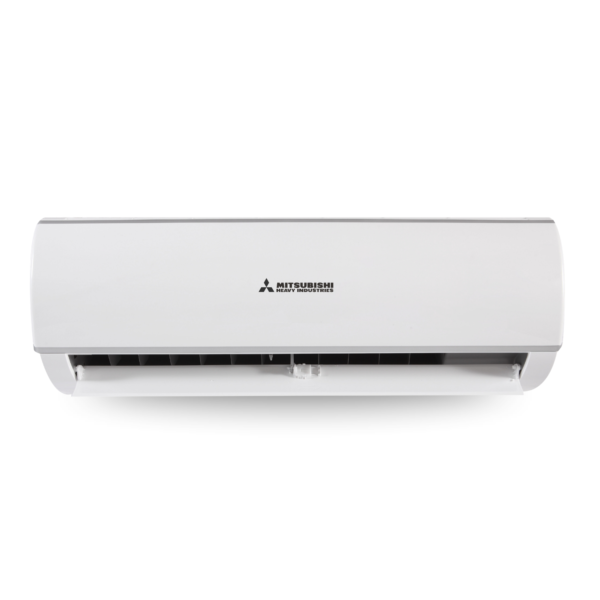
 Kaze
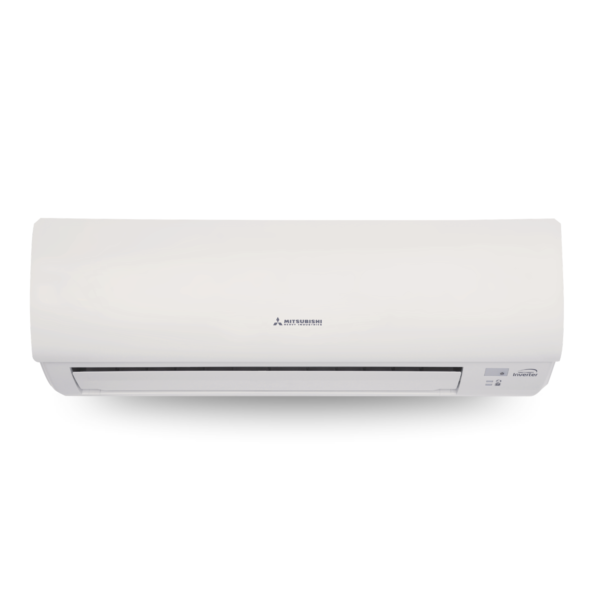 Hoshi
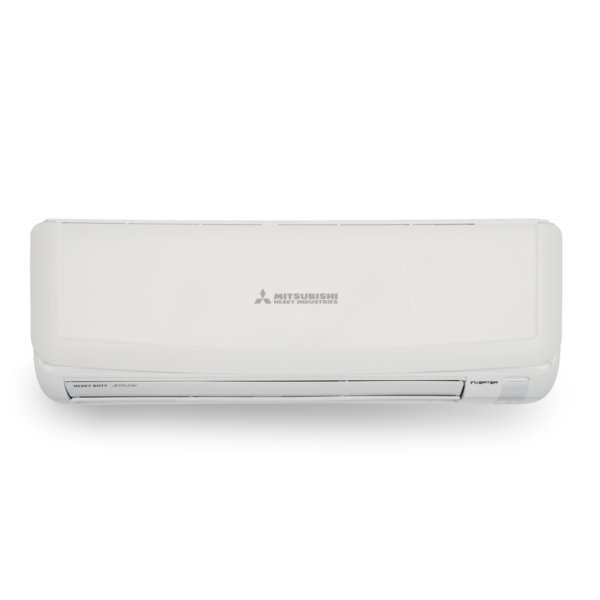 Aki
Aircond tons, BTU and HP explained: why cooling is measured in ice
Your aircond has no ice inside it, yet its cooling is still counted in tons. The number comes from how buildings were cooled before air conditioners existed.
Where a ton comes from
One ton of cooling is the heat needed to melt one ton (2,000 lb) of ice in 24 hours. Melting a pound of ice absorbs 144 BTU, so a ton of ice takes in 2,000 × 144 = 288,000 BTU a day. Spread over 24 hours, that is 12,000 BTU every hour, or about 3.5 kW of cooling.
What that means for your room
The cooling output on our Kaze range, in tons:
| Size | Cooling output | In tons |
|---|---|---|
| Kaze 1.0HP | 9,000 BTU/h (2.64 kW) | 0.75 |
| Kaze 1.5HP | 11,500 BTU/h (3.37 kW) | 0.96 |
| Kaze 2.0HP | 18,000 BTU/h (5.28 kW) | 1.5 |
| Kaze 2.5HP | 24,000 BTU/h (7.03 kW) | 2.0 |
In Malaysia we ask for HP, but HP is a rough size label. BTU/h and kW say more about how much cooling a unit gives, which is why we show both on every product page.
Cooling output is not electricity use
This is one of the most common mix-ups. Cooling output is the heat the unit removes from your room. Power input is the electricity it draws to do that. The Kaze 1.0HP has a cooling output of 2.64 kW and a power input of 0.765 kW, so it removes about 3.5 times as much heat as the electricity it uses.
Which size suits your room?
Tell the Room Guide your room and it suggests a size.